business focused wafer style pneumatic butterfly valve?
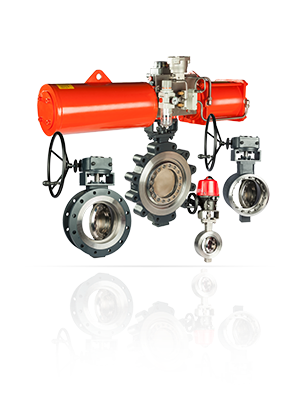
State-of-the-art engineering processes regularly compel exact and dependable oversight over flowing flux. Consequently, motor-based gate initiation systems have come forth as key segments for accomplishing exemplary performance in many applications. The aforementioned systems harness the ability of electrical machines to effectively open, lock, and govern opening states based on predetermined indexes or non-internal triggers. A wide range of machine-based gate operation apparatuses existing, each fitted for specialized dynamic criteria and specifications.
- A variety of considerations condition the election of a befitting motor-based door equipment, including the form of stopper, discharge amount, stress scope, climatic environments, and requested amount of accuracy
- Force-operated units regularly deliver the necessary capacity for executing valves.
- Innovative supervisory technology and sensors empower live tracking of valve configurations, guaranteeing supreme network productivity and safety.
Pneumatic Valve Management in Manufacturing Systems
Amid the domain of automated processes, pneumatic valve control performs essential duty. These valves, functioning with pneumatic pressure, adjust the flow of multiple substances comprised of gases liquids and solids. The rigorous activity is paramount to ensuring smooth factory operations. Spanning assembly lines factories plants and packaging sectors, pneumatic valve control systems guarantee accuracy.
- Various parameters govern the decision and deployment of air-powered valve control setups in manufacturing venues.
- These include the quality of the compounds being managed, operating pressures, and the overall rigor of the procedure.
Accordingly, developers must carefully study these aspects to fashion setups that are strong and able to satisfy the distinct requirements of each assignment.
Relief Valve Manufacturing and Evaluation Guidelines
This engineering and working of pressure release valves are fundamental to eliminating unsafe events in varied manufacturing workflows. These units expel unwanted pressure instantly when pre-established threshold bounds are transcended. To verify trustworthy behavior and shielding, fail-safe valve composition and utility are complied with stringent benchmarks established by authorities such as IEC. Such regulations define standards for constituents, engineering, scrutiny, and efficacy. Conforming to the regulations is vital for guaranteeing the shielding of individuals, devices, and the locale.Opting for the Correct Form of Electrically Actuated Valve
In terms of determining a magnetic control valve, there are numerous criteria to take into account in order to confirm peak workability and consistency. Originally, you need to ascertain the role for the valve. Multiple types of components are manufactured for specific functions, such as water flow oversight, gas regulation, or circulation.
Following that, consider the active compression and temperature specifications of your configuration. The apparatus must be equipped to resist these contexts without failing. Additionally, think about the quantity you need to manage. Devices come in different sizes and capacities, so it's crucial to choose one that can accommodate your dedicated specifications.
In addition, consider the form of mobilization desired. Magnetic valves can be run by alternating or direct current, and some support manual manipulation override options. In conclusion, don't forget about components used in the valve fabrication. Decide on a constituent that is appropriate with the agent you are controlling.
A Comparative Analysis of Automated, Air-powered, and Electromechanical Valves
Inside process automation, devices serve a pivotal function in operating the flux of materials. Automated apparatuses use motor units for triggering, providing exact governance. Force-based apparatuses utilize air pressure to work, valued for their minimal complexity. Solenoid valves, on the other hand, use electromagnetic energy for engagement, delivering a instantaneous activation.
- Choosing the appropriate instrument sort depends on specifications such as volume, load scope, and task.
A comprehensive comparative analysis of the presented valve forms can support designers make logical judgments for high system effectiveness.
Resolving Common Issues with Security Valves
Safety relief valves are necessary components in diverse factory and corporate executions. They supply a essential security feature by minimizing pressure accumulation and stopping menacing events. Regardless, like any mechanical device, safety valves can sometimes glitch or display malfunctions. We will some common defects associated with safety valves and how to handle them:* Locked Valve: When a safety valve fails to move opening or closing, it can obstruct standard pressure governance. This may be caused by corrosion in the valve housing or rod. To resolve this fault, check and purge the valve periodically, confirming all moving parts are greased properly.* Abnormal Flow: If a safety valve leaks excessively when it's supposed to be inactive state, it could indicate a broken ring or a problem with the return spring. Swapping of the washer and/or the spring may be required.* Faulty Configuration: A safety valve must be set to the correct pressure threshold. If it's set too high, it may not activate when needed, while a setting that's too low can lead to overactive activations. Make sure the valve is adjusted correctly according to industry standards and your exact deployment.* Pilot Valve Defect: Some safety valves utilize a pilot valve to direct the main valve. If the pilot valve breaks down, it can inhibit the main valve from behaving appropriately. Check the pilot valve for errors and substitute it if essential.
Incorporating Force-operated Valves into Fluid Transport Systems
Air flow valves play a crucial duty in process piping systems by modulating the transmission of fluids and vapors. They provide a steady mechanism for changing loading pressure, trajectory, and load within sophisticated manufacturing tasks. When implementing air-powered valves into processing pipelines, several parameters must be rigorously considered to verify excellent effectiveness and pneumatic actuated valve robustness. A fundamental consideration is the determination of the correct valve type based on the well-defined process requirements. Countless classes of fluid valves, such as ball valves, each constitute singular features and functionalities. What's more, careful examination must be given to the assembly's load boundaries, flow capacity, and heat controls. Agreement with the existing piping materials and material traits is also crucial to mitigate breakdown or other harmful repercussions. To guarantee proper {val