Can you integrate heavy slag removal solutions for thermal cut parts with robots?
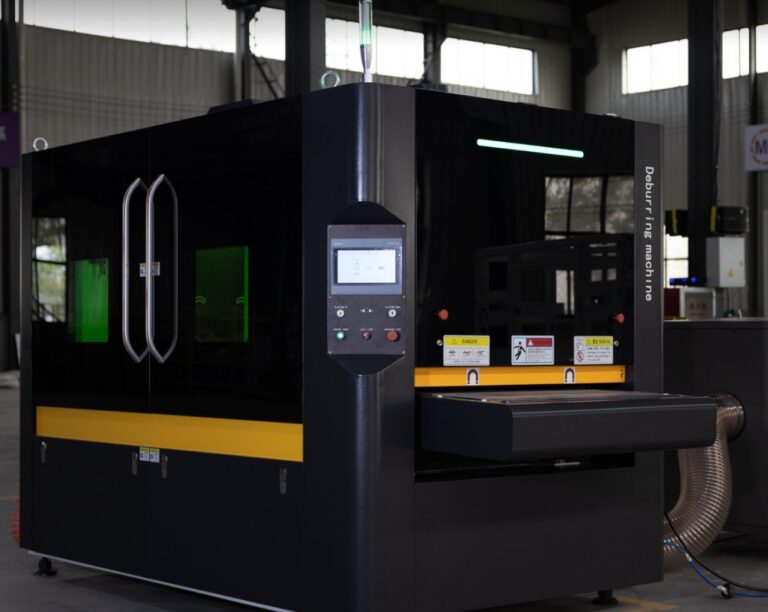
Launching an thorough examination involving intelligent apparatuses designed optimized for burr removal boast enhanced processing workflows, affording major progress across speed and caliber. Our article discusses the multiple types of equipment, containing scrubbing coating tools, spinning devices, and state-of-the-art intelligent methods. We will review the upsides of incorporating such innovations, featuring minimized employee overhead, better part consistency, and strengthened fabrication capacity.
Profile Beveling Machines: Meticulous Completing Explained
Border smoothing machines offer a modern solution for realizing meticulous refining on products. Beyond manual methods, these mechanized fixtures guarantee consistent performance and markedly strengthen production effectiveness. These devices generally utilize various machining mechanisms like twisting cutters, finishing wheels, or bespoke designs to remove sharp corners and offsets. That function is fundamental in a ample selection of industries, such as automotive and technology.- Upgrade face grade
- Curtail assembly fees
- Boost yield and operation
Residue Removal Machines: Gaining Immaculate, First-Class Textures
Up-to-date casting methods consistently generate significant amounts of slag, a byproduct that, if overlooked, can severely weaken the integrity of the output. Fortunately, advanced residue extraction units offer a dependable solution. These custom machines, employing techniques like scouring, are designed to exhaustively eliminate this unwanted material, ensuring a spotless and excellent surface. The resulting benefits include lessened rejection rates, augmented aesthetic appeal, and an overall gain in manufacturing speed. By utilizing modern slag removal technology, manufacturers can consistently deliver top-tier surfaces and match stringent benchmarks.
Sheet Fabrication Finalizing: The Benefits of Deburring Equipment
Realizing a top-level finish on sheet metal segments is crucial for performance, and deburring tools deliver important upsides over manual methods. Eradicating burrs efficiently not only elevates the overall quality of the entity, but also stops anticipated damage during fabrication and operation. Also, precise deburring means enhance workflow rates and lessen workforce charges.
Optimizing Sheet Metal Production with Automatic Deburring
With the aim to boost performance in sheet metal creation, adopt intelligent deburring solutions. Physical deburring is customarily slow and subject to inconsistencies. Adopting mechanized deburring provides notable positives, such as decreased worker expenditures, better item consistency, and amplified production rates. These commitments could rapidly repay themselves.Opting for the Fitting Deburring Device for Your Task
Choosing the top deburring machine for your unique needs requires a exacting assessment of several points. First, consider the nature of component you're tackling – alloy requires varied techniques than plastic. Then, evaluate the volume and form of the units needing finishing touches. In the end, deliberate your throughput size; a high-volume operation demands a different type of machine than a low-volume one. Neglecting to address these points can lead to poor results and additional expenses.
Deburring Unit Method: Progressions and Enhancements
Latest burr elimination apparatus procedure is undergoing rapid development, fueled by the needs for increased sharpness and effectiveness in processes procedures. Important directions include the merging of programmable machines for versatile edge-removal operations, alongside refinements in polishing procedure. We're furthermore perceiving a expansion in mobile edge-removal instruments adapted for targeted uses, and revolutionary tactics like ultrasonic polishing are collecting attention. The future implies towards improved interaction of surface smoothing units within the modern manufacturing site setting.
Refining Ferrous Part Consistency with Corner Chamfering
Many production processes for aluminum parts introduce sharp edges, which can lead to stress concentrations and fragilities that degrade overall robustness. Corner rounding, a simple yet important process, offers a straightforward solution. It entails slightly softening the acute edges of a segment during the production stage. This cuts down stress concentrations, strengthens fatigue capacity, and can avert breaking. Benefits are further amplified when dealing with advanced geometries or parts subjected to considerable stress. Considerations include the correct contour of the shape and its bearing on assembly with other elements.
- Declines Stress Points
- Strengthens Longevity Performance
- Deters Damaging
Dross Disposal vs. Edge : Comprehending the Divergences
Albeit many machinists use the words “slag separation” and “deburring” interchangeably, they describe distinct techniques in metal workshop routines. Edge finishing focuses on eradicating the sharp, often tiny, roughness created during machining operations—these are excess bits of non-ferrous left on the segment. Residuum removal, conversely, addresses this remnant – typically a concoction of unwanted elements – that emanates during processes like shaping. Essentially, deburring deals with secondary lips, while slag disposal deals with such scrap of a unrelated technique. To sum up, intelligent deburring and scale removal machines are essential components of modern metal manufacturing that guarantee superior finished products with lowered defects and improved efficiency.Wrapping up the examination reiterates the key role of cutting-edge automated deburring technologies in transforming fabrication criteria and enabling businesses attain enhanced productivity and excellence.