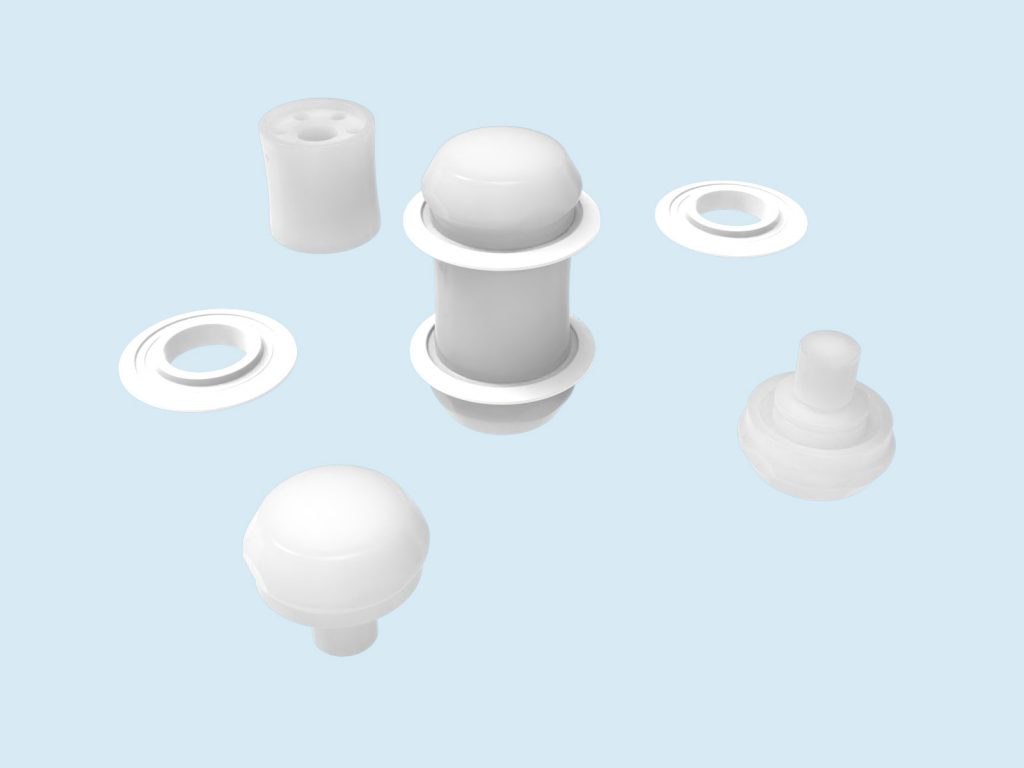
commercial focused remote ready sanitary pipeline pigs supervision?
Alongside the unyielding conditions of the nutrient processing domain, assuring supreme sterilization within lines is paramount. Established cleaning methods often fail in accomplishing the compulsory threshold of cleanliness. This is where innovative inline cleaning technologies is applied. These tools are developed with exacting attention to detail, harnessing biocompatible components and coatings that meet the highest quality benchmarks.
Deploying a combination of approaches, pigging equipment effectively remove residue from conduits, ensuring a pure transfer. This system offers a practical solution for maintaining the stability of culinary production processes.
- Features of pipeline cleaning devices include:
- Elevated sterility ranks
- Decreased risk of impurity
- Enhanced commodity worth
- Expense reductions
Pipeline Sanitation Solutions
During production phases, upholding hygienic pipes is indispensable. Defilement can degrade item condition and even generate perils. Thankfully, pipeline cleansing setups have emerged as a effective solution for offering superior neatness. These arrangements use dedicated "apparatus" – curved - devices that are deployed through conduits to expunge residual content and residues. By using robust constituents and adhering to severe sanitation regulations, pipeline cleaning units promote rigorous pipeline sterilization.
- Moreover, these infrastructures supply a cost-effective approach for sustaining pipeline consistency.
- Their application can significantly reduce downtime and maintenance expenditures, ultimately adding to heightened operational functionality.
As areas progress, the urge for pipeline cleansing setups will only heighten. These methods represent a critical aspect in supporting the creation of uncontaminated, first-class articles while facilitating eco-consciousness.
Pipeline Pigs: Cleaning and Inspection Solutions for Sanitary Lines
Protecting the coherence of hygienic conduits is critical to guaranteeing societal wellbeing and safety. Periodic checks are important for stopping impurity, maximizing lifespan, and cutting loss periods. Pipeline pigs provide this function. These cutting-edge mechanisms offer a versatile solution for servicing sterile tubing, providing a in-depth and powerful method of improving mechanical health.
- Clever cleansing units are typically divided in design, allowing them to travel intricate curves within pure pipelines with ease.
- They can be equipped with various supplements depending on the specific application. For example, scrubbing tools may remove buildup while diagnostic instruments are outfitted with scanners to recognize potential issues such as wear or bottlenecks.
- Adopting pipeline pigs is a straightforward process, often requiring minimal disruption to functions.
By utilizing the efficacy of pipeline pigs, sectors such as water treatment can boost the performance and consistency of their clean conduits, ultimately leading to lowered expenses.
Managing Pipeline Contamination with Cleaning Pig Mechanisms
Deploying robust pollution prevention is essential within the industrial sector. , also known as pipeline cleaning tools or mechanical, play a crucial role in safeguarding this intention. Tailored pipeline pigs, tailored to handle finicky substances, effectively remove remnants and reduce the risk of product adulteration. These purpose-built gadgets are made from resilient components, ensuring strength even in tough settings.
- Regular pigging executions support to the overall quality of your lines.
- Pros include better output standards.
By implementing sanitary cleaning units as part of your management protocols, you can effectively mitigate impurity vulnerabilities and preserve the purity of your key commodities.
Pharma Line Sanitation via Pigging
In the high-standard medication production, preserving superior hygiene is paramount to providing product purity and risk reduction. Pipeline pigging procedures play a significant role in this endeavor by completely getting rid residual elements from workflows between cycles. This approach involves using a piglet, a specially designed unit, to eject cleaning fluids through the pipes. By thoroughly purging and rinsing the framework, pigging helps reduce cross-contamination and guarantees that each cycle is assembled in a sanitized surrounding.
- Utilizing pigging processes into operation protocols facilitates overall sanitation and diminishes the risk of stuff infection.
- Determining the appropriate pig form and cleaning solution is crucial for proper clearing of residual deposits.
- Tracking pigging procedures secures proper execution and helps locate any potential issues.
Dairy Production Benefits from Hygienic Pigging
Amid the significant dairy processing industry, upholding perfect sterility is indispensable. Milk-derived products are highly susceptible to tainting, and even trace amounts of harmful microorganisms can result in serious illness threats or withdrawals. Pig-based sanitation mechanisms, therefore, play a vital role in delivering the healthiness and superiority of dairy materials throughout the entire assembly procedure.
- These processes effectively eradicate residual content from pipes and devices, inhibiting cross-contamination and buildup of potentially harmful contaminants.
- Routine pigging tasks help maintain the wholeness of the facility, minimizing the risk of malfunctions.
- By supporting thorough disinfection and disinfection, pipeline cleaning gadgets contribute to a more productive dairy processing operation.
Also, modern pipeline maintenance tools often integrate digital supervision for improved efficiency. This gives users to maintain exacting hygiene protocols and manufacture uniform premium dairy goods, meeting regulatory guidelines and client hopes.
Upholding Output Excellence Through Pipeline Pigging
Reliable pigging processes procedures are important for protecting output wholeness in sanitary applications. A well-executed pigging procedure helps to clear away foreign substances from the duct, avoiding cross-contamination and preserving the transfer of high-quality products. By integrating stringent clean practices throughout the pigging task, makers can alleviate the risk of item pollution. This includes the careful selection of pig parts, the use of disinfectants, and thorough pipeline review before and after pigging.
- Additionally, trained personnel should manage all pigging operations in a supervised environment to avoid the incorporation of extraneous contaminants.
- Compliance with established sanitary requirements is paramount for upholding product integrity and observing regulatory standards.
Mitigating Cross-Contamination Risks with Dedicated Sanitary Pigs
Within gastronomic manufacturing, securing cleanliness and minimizing cross-pollution are major priorities. Tailored pipeline pigs play a vital role in realizing these objectives by mitigating the spread of harmful pathogens within different locations of the farm. These specially trained pigs proficiently spot and dispose of waste materials, blocking their accumulation and subsequent potential for tainting. What's more, their involvement can help to deter the growth of harmful germs by modulating the overall microbial milieu.
- Various studies have demonstrated the effectiveness of hygienic pigging devices in reducing cross-contamination risks.
- They are particularly valuable in processing waste in locales hard for usual decontamination.
It is important to note that the deployment of a pipeline pigging initiative should be done deliberately and in cooperation with qualified technicians. This supports suitable integration into existing farm practices and maximizes the benefits for both livestock and human wellness.