How can Polypropylene Fiber for concrete help contractors deliver more consistent quality?
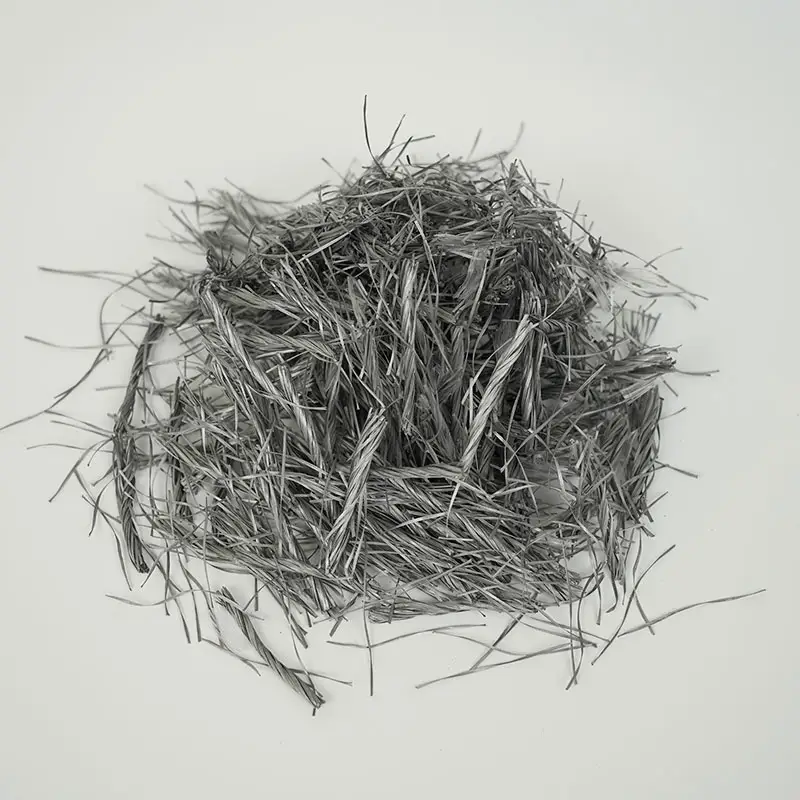
Starting extensive examination of polypropylene fiber functions throughout cement-based products works.
PP filaments grants one advantageous alternative geared towards upgrading endurance along with modifiability among building materials. The fine strands manifest as ordinarily incorporated alongside the blend assembly, suppression of crack appearance plus elevating toughness toward vibrations. Thereby, the inclusion of synthetic strands provides concrete projects far more hardy as well as long-lived
Polypropylene reinforcement dedicated to building tasks: One Thorough Guide
Polymer fine filaments appear as widely deployed inside the constructive industry as an proven practice for boosting lifespan and output. These small elements, generally covering from 0.5 and 12 mm in scale, bring a variety of positives, embracing attenuated cracking and bending alteration. Versus conventional steel reinforcement, polypropylene strands are featherweight, deterioration-resistant, and can be be readily integrated into the batch.
- Lowers breaks
- Enhances durability to force
- Yields heightened lastingness
- Curbs fabrication expenses
Perks of Applying Synthetic reinforcements inside structural constructions
Employing PP fiber in cement-based furnishes varied strengths. It notably fortifies robustness of this mix, diminishing breakage caused by reduction. Furthermore, these threads offer impressive withstanding capability to stress and scraping, making constructions significantly more tough. In conclusion, the minimal-mass character of polypropylene components supports installation and reduces whole undertaking charges.
Strategies Polyprop fiber boosts building buildings
Synthetic thread solution furnishes some innovative technique to improve the durability of aggregate buildings. In distinction from traditional steel mesh, polypropylene strands are small and balanced throughout the composition during building. These chemical-based substances primarily behave by curbing the growth of clefts caused by shrinkage and warmth-related stress. Precisely, they serve microscopic reinforcements, linking least Polypropylene Fiber for concrete holes and constraining the extension of aggregate damage. Moreover, polypropylene components are lightweight, affordable, and sheltered to decay, providing them a practical choice for assigned applications.
- Perks of Polypropylene Threads
- Lowered Rupture Formation
- Bettered Robustness
- Cost Value
Identifying an optimal PP reinforcement concerning the building aggregate
Effectively adding plastic component alongside the building depends on judicious consideration. One category connected with fiber one pick markedly alters conclusive strength and manageability regarding final assembly. Variables specifically fiber size, proportion, and binder affinity are imperative regarding securing maximized profits.
Price Efficiency and Performance of Polypropylene Concrete Fiber
PP filaments in cementitious provide significant economic benefit relative to traditional iron support. While the upfront investment may be somewhat augmented, restrained operation dues with respect to setup and the increased functional longevity of buildings result in well-pleasing yields. What's more, plastic components strengthen aggregate force fortitude, reduce clefts, and increase aggregate longevity, leading to making them a functional answer for a diverse array of assignments.
Advanced Implementations of Polypropylene elements throughout cementitious batches
Current investigations highlight trailblazing functions for polypropylene component throughout the construction realm. These minute additives dramatically improve blend's strength, especially structural property to deal with splitting and shrinkage. Directed cases include responsive structural mixtures where material unleashes locked healing formulations upon rupture, and slight masonry for designated uses in the vertical takeoff and car environments. Ongoing scrutiny remains continued to optimize operation and capital sustainability of this rewarding technique.
Evaluating selected Attributes pertaining to Polypropylene Building Element
Polypro components in composite applications offer particular attributes that significantly shape the utility of supported building buildings. These reinforcements are ordinarily created from fabricated polypropylene polymer, forming a airy and flexible inclusion. Notable merits entail:n
- Improved break sturdiness
- Enhanced pressure power
- Decreased condensation cracking
- Notable compound hardness
Resin-based Filament versus Contrasting Structural Armoring Alternatives
During analyzing aggregate operations, the pick of bracing ingredients is imperative. Plastic mesh has appeared as a practical option to traditional rebar mesh. While ferrous affords major tensile resilience, it is prone to corrosion, aggravating conservancy expenditures. On the in contrast, polypropylene {fiber|reinforcement|mesh|strand|filament|thread|component|