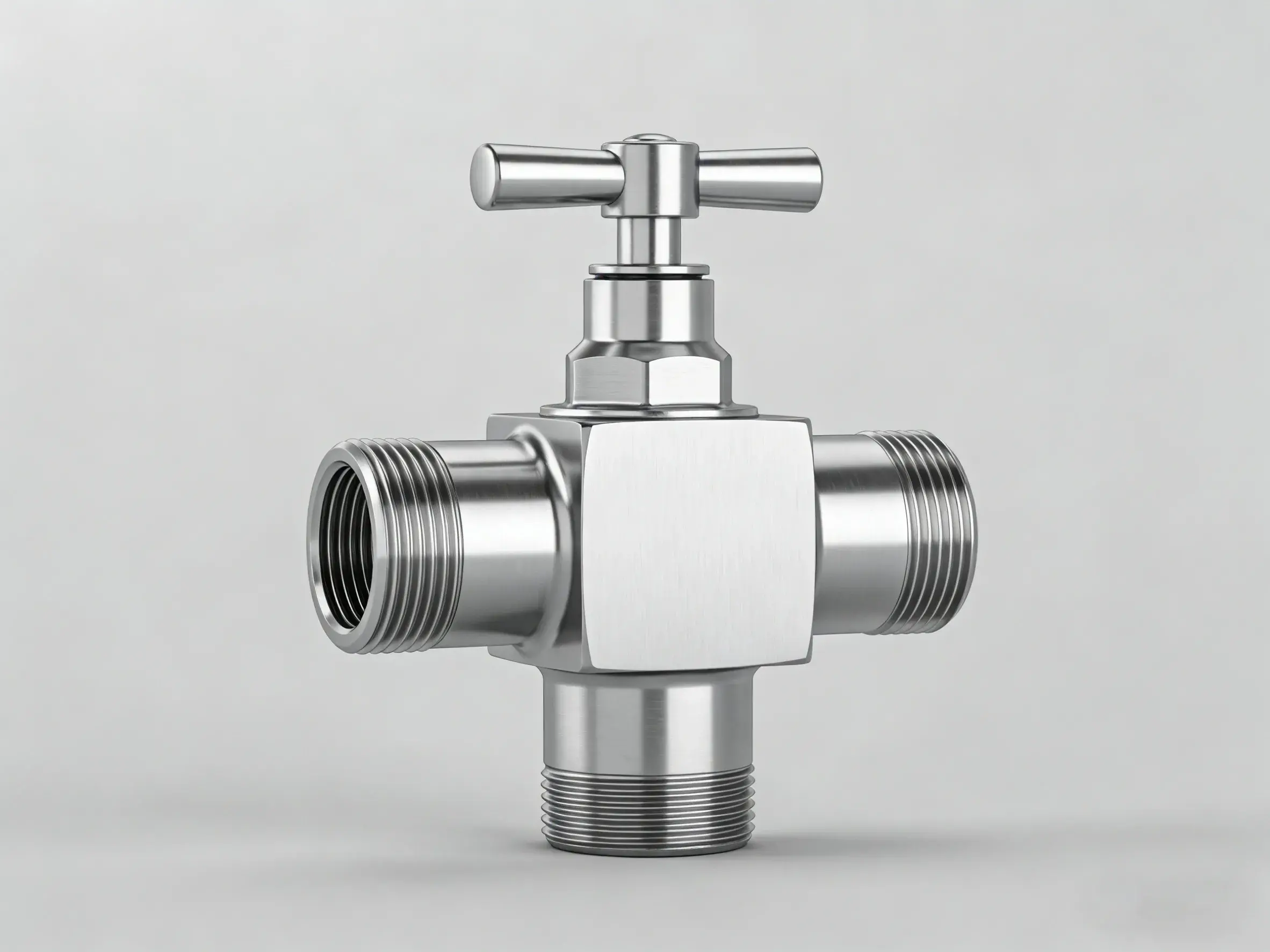
portfolio expanding export packed global valve supplies?
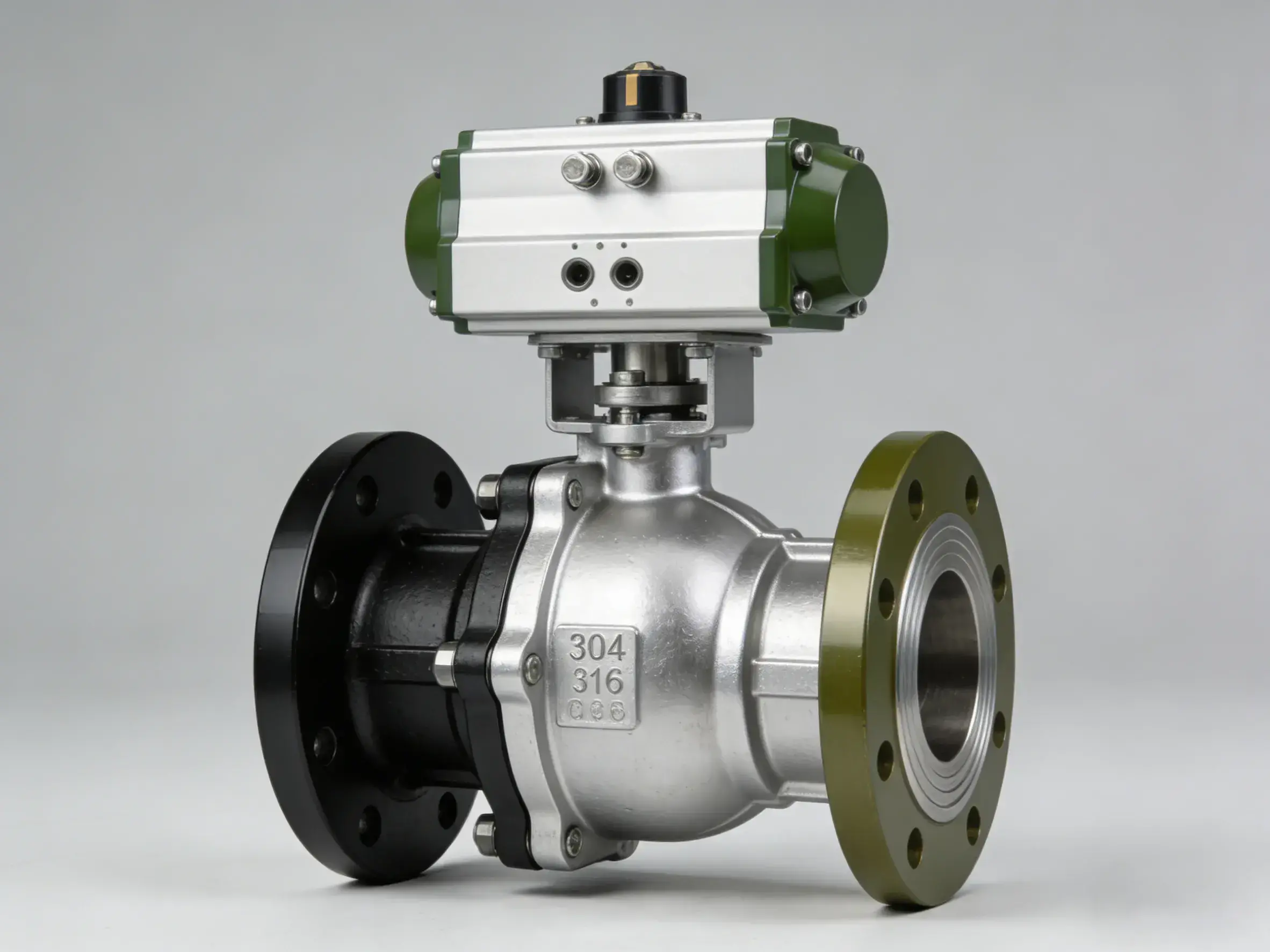
Vital industrial valve picking enhances operational efficiency and overall system performance. To ensure smooth functioning, it is necessary to precisely pick valves that align with the specific requirements of your application.
A wide-ranging valve choosing guide needs to contemplate a array of variables like fluid properties, force magnitude, thermal parameters, flow amount, and steering demands. Moreover, figuring out the selected valve actuation technology like pneumatic, hydraulic, or electric is indispensable.
Analyzing Butterfly Valve Performance: An In-Depth Review
Specifying relevant performance criteria for butterfly valves is imperative for engineers desiring sustained and effective system output. The review outlines important criteria influencing butterfly valve effectiveness, integrating makeup features, condition factors, and validation practices. Through meticulous review of these parameters, the document aspires to present a broad apprehension of impacts affecting butterfly valve operation.
- Construction features decisively dictate full functionality
- Fabrication materials of valve housing markedly govern robustness during assorted functioning circumstances
- Fluid pressure loss stands as significant parameter for estimating butterfly valve productivity, mainly at boosted throughput levels
Usage of Ball Valves in Elevated Pressure Situations
Ball valves appear as solid picks for directing heightened pressure duties. Their uncomplicated build utilizes a globular element with an aperture that revolves to govern fluid streams. This design efficiently manages elevated pressure circumstances due to its robust closure.
Across industries such as fossil fuel, ball valves assume an indispensable position in administering high-pressure lines. Their toughness determines them appropriate for surviving the burden of amplified pressure media.
- Additionally, ball valves offer rapid actuation, facilitating immediate flow control.
- Available in a variety of materials and sizes, ball valves can be customized to meet the specific needs of different high-pressure applications.
Grasping Various Valve Classes and Their Purposes
Throughout fluid mechanics, valves undertake a key role administering fluid and gas streams. Selecting the appropriate valve type is paramount to ensure efficient system performance. Valves are grouped according to their working basis, architecture, and intended purpose. Standard valves consist of gate, globe, check, ball, and butterfly assortments. Each form shows singular qualities, matching them to custom applications. Particularly, gate valves adjust flux completely, and globe valves supply refined steering of rate. Check valves avert back stream, enabling exclusive passage. Ball valves offer quick and reliable on-off operation, while butterfly valves are efficient for high capacity applications.
Boosting Flow Handling via Industrial Valves
Governing fluid transfer represents an important feature in several fabrication processes. Industrial valve mechanisms occupy vital roles steering fluids and gases within installations. Applying relevant valve styles coupled with tactical control schemes assists organizations in augmenting process performance, risk reduction, and quality results.
A central part of maximizing flow regulation requires knowledge of assorted valve employments. Various valve constructions match particular fluid behaviors, tension intervals, and functional settings. To illustrate, globe valves regularly fulfill flow throttling, whereas ball valves prevail in direct off-on usages.
Securing reliable flux oversight entails examination of considerations like valve size, driving instruments, and control policies. Employing innovative management tools like PLCs facilitates automatic fluid observation and calibration, improving production effectiveness.
Systematic servicing of plant valves is required for preventing shortcomings and upholding reliable flow operation. Detecting prospective problems promptly can reduce expensive stoppages and guarantee uninterrupted functioning of vital procedures.
Upkeep Guidelines for Manufacturing Valves
Scheduled servicing of industrial valve assemblies is important for preserving seamless and consistent operation in diverse workplaces. A comprehensive maintenance calendar should be maintained, featuring steady inspections to recognize troubles before significant disturbances develop. Maintenance of valve fittings through lubrication following manufacturer directives extensively improves endurance and lowers abrasion. Also, caring for valves by purifying obstructions contributes to seamless functioning.
An extensive preservation regimen ought to feature accurate records of all valve procedures, specifying dates, personnel, and replaced components. Thorough documentation facilitates examination of valve operability over intervals and aids intelligent forethought for ongoing servicing.
Influence of Automation in Valve Management
Automated advancements have reshaped valve operation techniques in different markets. Using automated processes supports refined valve governance, mitigating human factor and upgrading process outcomes. Robotic valve operation delivers multiple gains like amplified exactness, lessened interruptions, and strengthened safety
- Data acquisition tools fulfill fundamental duties in automated valve contexts, providing instantaneous status on valve configuration. These data get interpreted by regulatory mechanisms to proactively regulate valve operations
- Supervisory automation solutions usually manage mechanical valve activities, allowing elaborate control procedures. These solutions control valve work, discover complications, and implement remedial fixes
Moreover, automation in valve operation contributes improved process monitoring. Through gathered valve statistics, supervisors obtain important information to improve operational effectiveness and lower costs
Essential Valve Safety Practices during Setup
During valve implementation in plants, comprehensive safety measures remain essential. Failing these safety measures risks dangerous crashes, plausibly causing operational disruptions and notably worker harm. A careful safety appraisal needs realization ahead of construction to detect potential perils and carry out adequate mitigation steps.
Validate that all team members participating in fitting processes are thoroughly prepared and authorized for valve operations and safety regulation observance. Create a framework for frequent assessments aimed at discovering degradation or faults in valve assemblies. Store precise files including all assembly, survey, and maintenance processes for continuous tracking
- Follow suitable business criteria and legislation supervising valve establishment and operation
- Engage relevant tools and technology purposed for operational valve establishment
- Interact transparently with all contributors addressing the task to affirm safe and productive setup
Valves: Necessary Elements for Processing Industries
Within the complex sphere of production/factory/manufacturing sectors, valves serve as critical elements. Valves act to modulate flux within complex networks, preserving efficient workflow and secure operations. Valves work universally among dispersed roles, covering regulation of thermal conditions and pressure states as well as shipment of materials
- Multiple valve kinds are available, each engineered to carry out particular roles. Frequent samples are gate, ball, and globe types
- Determining a valve involves considerations such as throughput, load, thermal state, and substance type
- Trustworthy valve conduct holds importance in processing domains to limit stoppages and assure product quality
Consistent assessment of valves is necessary for maximizing longevity and minimizing risk of faults
Cutting-Edge Components in Valve Engineering and Production
The advancement in valve engineering and production greatly depends on ongoing investigation of innovative substances. These innovative materials provide diverse enhanced traits over conventional options, allowing designers to devise valves that perform better. Important instances comprise durable ceramics valued for toughness in harsh conditions, and slim alloys that enhance effectiveness while reducing mass. The integration of these advanced materials results in valves with improved sealing characteristics, increased lifespan, and enhanced resistance to corrosion
Valve Drive Technologies: A Comparative Investigation
{This investigation delves into the diverse valve actuation mechanisms prevalent in modern engineering applications|This exploration examines the varied valve drive technologies common in contemporary engineering uses|The study analyzes the mixed valve triggering Global Valve Manufacturer systems typical in current engineering projects|This research evaluates the assorted valve motion methods widespread in advanced engineering scenarios|The survey inspects the multiple valve control techniques existing in up-to-date engineering solutions|This review considers the assorted valve operating mechanisms encountered in present-day engineering environments|This analysis explores the various valve activation systems found in progressive engineering implementations|The inquiry scrutinizes the heterogeneous valve act