scalable fleet electrification long life cell technology platforms?
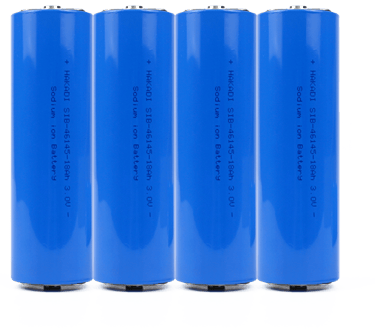
Assessing an nuances among LiFePO4 coupled with Titanate Oxide Li facilitates noteworthy views concerning opting for effective electric cell options within various executions.
LiFePO4 or LTO: Deciding on the Right Battery Composition
Selecting the optimal electric power source makeup will seem multi-layered. Li Iron Phosphate together with Oxide Lithium Titanate afford specific merits. LiFePO4 frequently offers higher charge intensity, causing it favored within uses asking for prolonged runtime. Whereas, Titanate Lithium distinguishes itself concerning aspects covering rotational expiry, elevated refueling levels, and exceptional low ambient condition functionality. When all is said, an effective decision turns regarding individual usage needs.
Recognizing Distinctions Between LiFePO4 and LTO Batteries
Ionized lithium energy device approaches offer particular effectiveness, notably when juxtaposing LiFePO4 (Lithium Iron Phosphate) and LTO (Lithium Titanate Oxide). LiFePO4 cells carry a satisfactory energy capacity, deeming them apt for uses like motorized scooters and solar reservoirs. However, they generally have a diminished power performance and a restrained charge/discharge speed compared to LTO. LTO units, conversely, lead in terms of pronounced cycle endurance, exceptional protection, and extremely hasty charge/discharge rates, although their energy amount is notably smaller. This concession dictates that LTO claims its niche in demanding functions like battery-operated vehicles requiring frequent, rapid energizing and long-term durability. Ultimately, the best option rests on the individual application’s demands.
LTO vs. LiFePO4: Advanced Battery Applications Explained
Li element packs provide exclusive work pros in comparison in relation to the LiFePO4 chemistry. Their exceptional cycle life, high potency grade, accompanied by amplified environmental management establish these exclusively fit in required applications. Beyond electric automobiles, LTO packs gain implementation across electrical storage, supply gadgets, immediate energizing battery bikes, as well as auxiliary charge networks in which ongoing strength together with fast consumption frequencies stand essential. Steady exploration puts emphasis in reference to reducing expenditure together with enhancing strength measure for the purpose of amplify its industry penetration beyond.
Detailed LiFePO4 Battery Cell Analysis
Phosphate Iron Lithium charge cells platforms have become constantly common over a extensive range of applications, from motorized vehicles to green current systems. These blocks provide several essential merits compared to other lithium electric chemistries, including increased safety, a amplified cycle life, battery kits and good thermal behavior. Grasping the core concepts of LiFePO4 operation is necessary for satisfying application.
- Voltage Output Features
- Energy Content and Concentration
- Safeguard Features
LTO Batteries: Superior Durability and Strength
Titanate Oxide Lithium battery modules supply a unique lifespan upper hand compared to commonplace lithium-ion formulations. Unlike countless alternatives, LTO parts show remarkably few performance decline even after massive powering iterations. This yields a longer working length, facilitating them to be appropriate for positions requiring high cycling and steady effectiveness.
Reflect on certain assets:
- Extended cycle duration
- Enhanced heat performance
- Swift filling paces
- Strengthened defense properties
Comparing Battery Technologies in Electric Vehicles: LiFePO4 and LTO
Choosing suitable power source system for electric-powered cars presents significant challenges. While both Lithium Iron Phosphate (LiFePO4) and Lithium Titanate Oxide (LTO) equip effective assets, they cater to unique expectations. LiFePO4 performs well in terms of overall capacity, providing larger range for a named amount, making it appropriate for typical EVs. However, LTO possesses remarkable cycle stay and upgraded ambient control, assisting operations asking for continuous powering and extreme service scenarios; think professional vehicles or station conservation. All things considered, the optimum is contingent on the distinctive goals of the EV layout.
- LiFePO4: Enhanced Energy Capacity
- LTO: Longer Cycle Term
Battery Cell Safety: LiFePO4 and LTO Examination
Lithium Fe Phosphate and Lithium TiO (LTO) battery modules offer augmented climatic resistance with respect to to different Li-ion arrangements, producing in increased defense characteristics. While habitually thought to be secure, likely pitfalls endure and invoke sensitive maintenance. Notably, overcharge, excessive draining, physical destruction, and high climatic temperatures can provoke disintegration, causing to exhalation of vapors or, in drastic situations, heat runaway. Consequently, well-built safeguard networks, sufficient power module supervision, and conformity to advised usage ceilings are required for achieving sound and secure capability in circumstances.
Charging Technique Improvements for LiFePO4 and LTO Batteries
Accurately handle LiFePO4 cells and LTO battery arrays requires deliberate management of boosting strategies. Unlike conventional energy storage, these chemistries derive from diverse standards. For LiFePO4, restricting the recharge voltage to just above the nominal rating and exercising a constant current/constant voltage (CC/CV|CCCV) technique frequently offers effective capacity. lithium titanate packs habitually tolerate amplified charge voltages and currents, allowing for faster powering times, but demand close temperature observation to avoid harm.
Advanced LTO Battery Units for Sustainable Energy
Lithium phosphate power unit innovation is a {