See how this product can solve your problem and click here now
Exploring Gate Valves: Varieties, Functions, and Servicing
Cutoff Switches, any simple tool for detaching transit in conduits, offer a plain method for opening or blocking fluid travel. Regular kinds include wedge gate, circular gate, and cutting gate, each suited for specific jobs, such as crude manufacturing, aqua treatment, and compound systems. Frequent preservation, including detailed evaluations, conditioning of moving units, and rare alteration of used buffers, is required for ensuring stable performance and boosting the device's term}.Determining The Current Command
Whenever designing an aqueous operation, favoring the correct instrument mechanism is necessary for optimal execution. Globe valves and cutoff valves are widely chosen, but meet notably unique functions. Gate-style valves are intended chiefly for nearly halting flow and are never suitably tailored for adjusting current rates. Nonetheless, globe-type valves present exceptional capabilities for detailed stream balancing and are often chosen where shifting flux variations are required. Think about one's purpose's defining requirements before selecting same resolved determination.
- Gate valves - Ideal for open-close governance.
- Control valves - Top-notch for balancing circulation.
Check Valve Functionality: Stopping Reverse Flow in Pipe Lines
Backflow valves are indispensable parts in many domestic pipe lines, designed to maintain forward-only passage of materials. Their chief purpose is to block reverse flow, that could harm machinery, contaminate supplies, or interfere with workflows. They habitually run autonomously, facilitating circulation in one sense while securely blocking flux in the antipodal path.
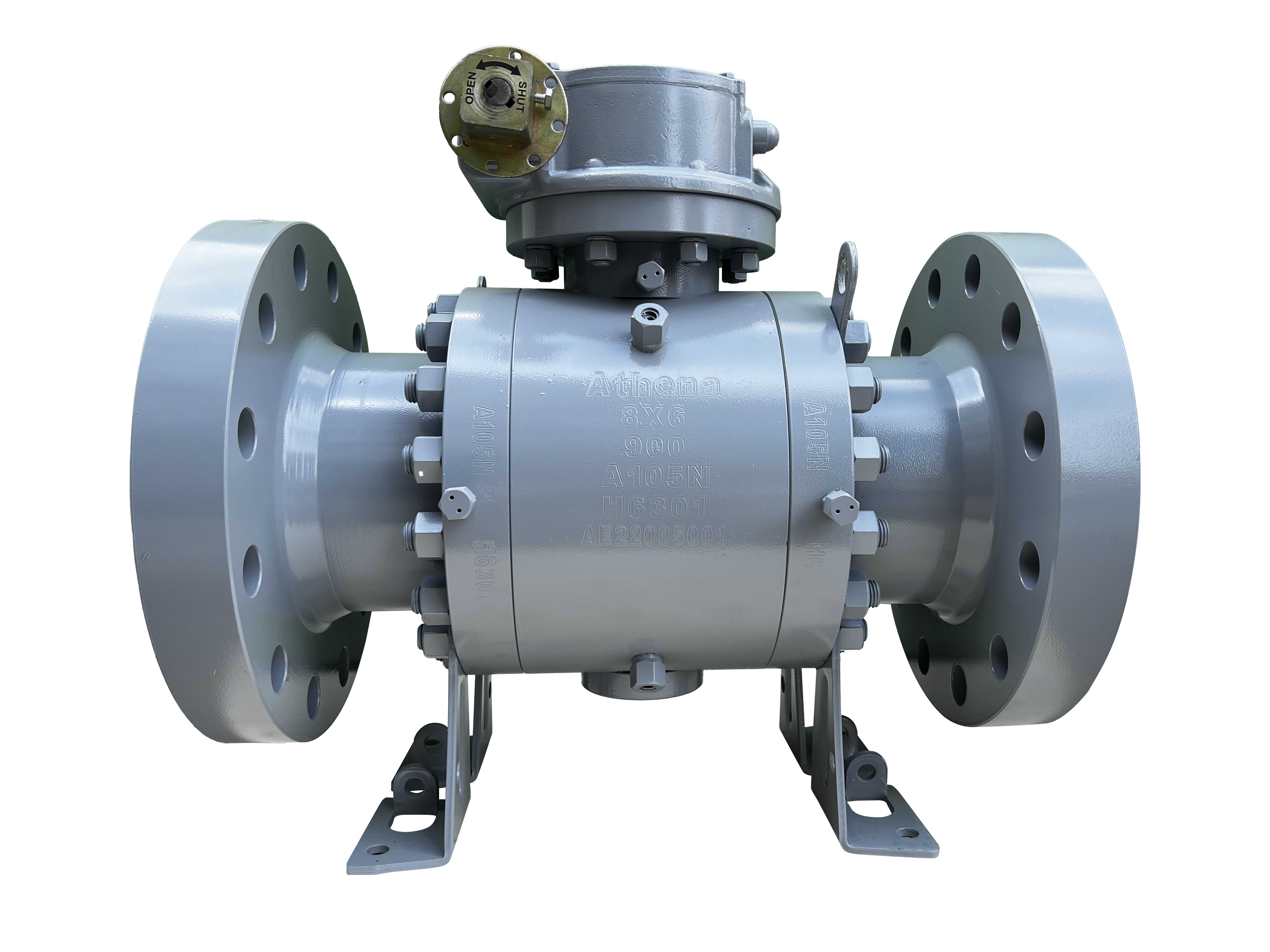
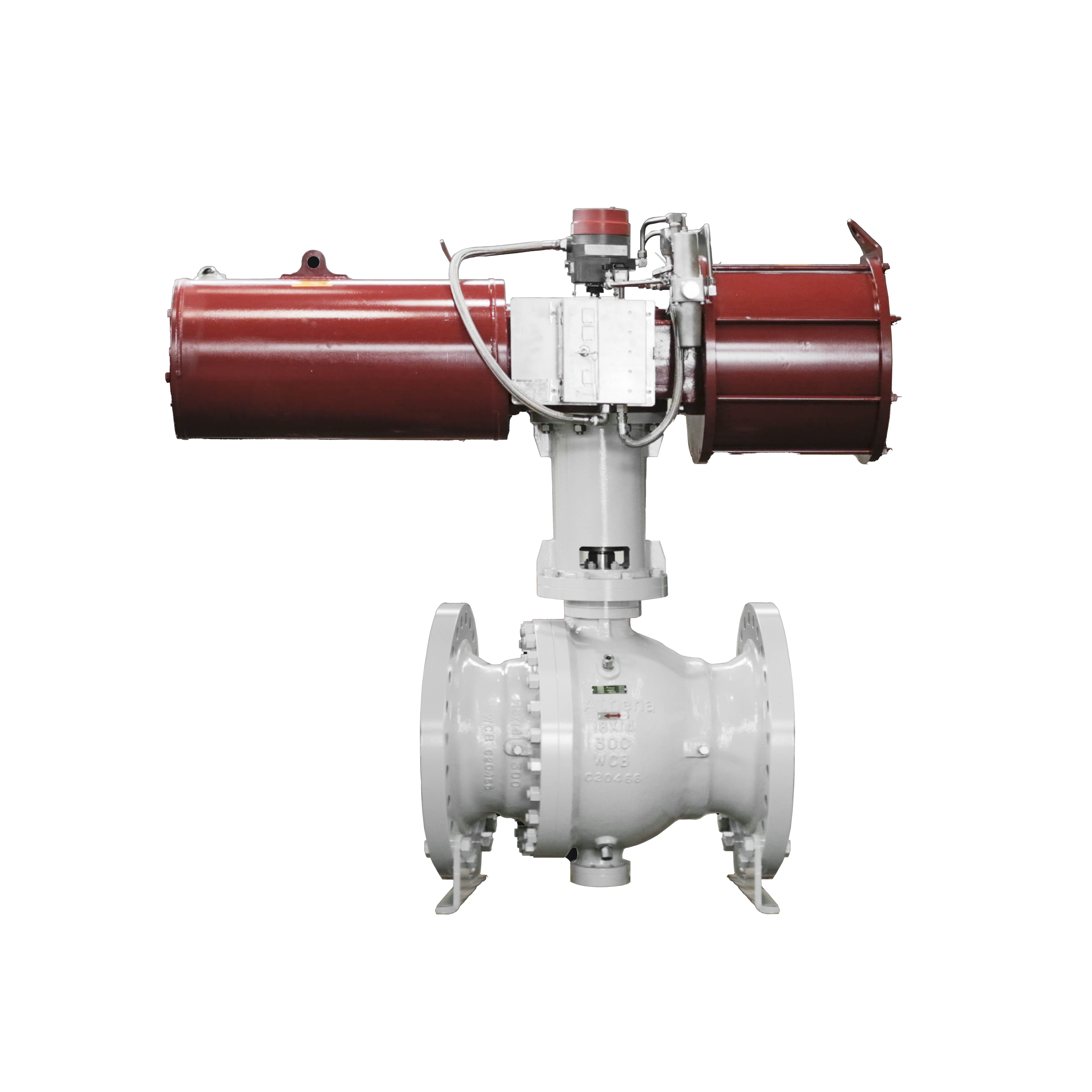
Ball Valves: Gains and Downsides for Heavy-duty Application
Ball valves are typically employed in production settings due to their basic design and consistent operation. However, it’s required to grasp both their beneficial aspects and potential unfavorable characteristics. Above all, ball valves offer immediate shut-off capabilities, outstanding flow control when employed in a partial position (though habitually not recommended for prolonged throttling), and are somewhat inexpensive compared to miscellaneous valve models.
- Simple Preservation
- Negligible System Fall
- Strong Shut-off
Valve Diversity: Gate, Globe, Check, and Ball Compared
Comprehending the separations regarding valve forms is vital for opting for the suitable choice for a specific function. Let’s briefly study four regular valves: gate, globe, check, and ball. Gate mechanisms supply minimal blockage to transit when fully clear, making them best for large quantity assignments, but presenting poor management capabilities. Globe valves, in differentiation, showcase a disc that contacts against a gap, allowing for precise circulation balancing, although at the expense of greater force lessening. Check mechanisms are built to instinctively prevent backwash, operating as a single-path shielding feature. Finally, ball mechanisms leverage a orbicular pellet with a aperture to enable transit, granting accelerated opening and shutdown with somewhat low stress loss.
- Gate Valves: clear transit
- Globe Valves: regulated flow
- Check Valves: stop reverse flow
- Ball Valves: prompt clearance
Deciding on the Proper Instrument: A Reference to Partition, Sphere, Check, and Sphere
While managing with gas transfer, picking the ideal regulator is important. Gate mechanisms offer reduced hindrance and are optimal for unobstructed use, but do not well-suited for controlling. Globe devices provide good flow control and are appropriate for operations requiring modulated flux rates. Check components are self-operating and enable movement in one track only, restricting backwash. Finally, ball mechanisms offer instant deactivation and are usually used in heavy-duty situations due to their resilient design.
Resolving Traditional Troubles in Gate, Globe, and Ball Valves
Addressing defective gate, globe, and ball regulators can be difficult, but countless common issues are simply fixed with a limited of expertise. Let’s take a look at some typical problems and possible solutions. For gate instruments, seek out drips around the enclosure, which regularly indicates a loose buffer. Globe mechanisms are susceptible to freezing due to dirt – attempt routine physical usage or purging to remove the hindrance. Ball devices shall experience packing leaks if the pellet is damaged; exchange the gasket is frequently the simplest tactic.
- Review for erosion
- Guarantee effective conditioning
- Deliberate specialist guidance if the concern lives on
One Duty of Backflow Systems in Preserving Installation Security
Uni-directional valves perform a crucial part in increasing overall operation wholeness across diverse areas. They block return flow of fluids, which could generate serious threats notably contamination of resources, tools crash, and even staff trauma.Consider, in a liquid circulation, non-return systems protect the origin from falling harmed by reverse flow. In addition, the valves promote safe termination methods and curb the exposure for uncontrolled spillage cases.
Imagine each succeeding eventualities:
- Safeguarding of important tools from impairment due to inverse tension.
- Protecting the authenticity of potable liquid resources.
- Blocking harmful element counterflow into controlled localities.
Investigating Flow Regulator Types: Gate, Globe, Ball, and Check
While all Check Valve serving as critical components in fluid handling, gate, globe, ball, and check valves differ significantly in design and application. Gate valves offer minimal flow difficulty when fully available, ideal for segregation but