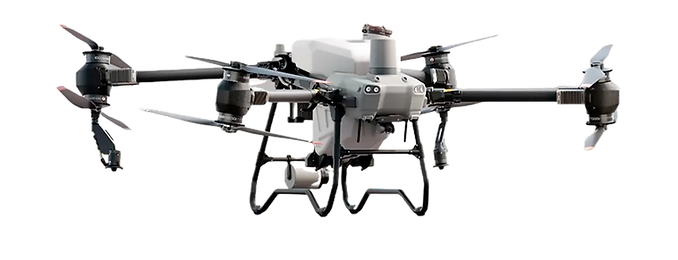
training supported onboarding simplified would enterprise workflow aligned dji agras t50 systems entice corporates?
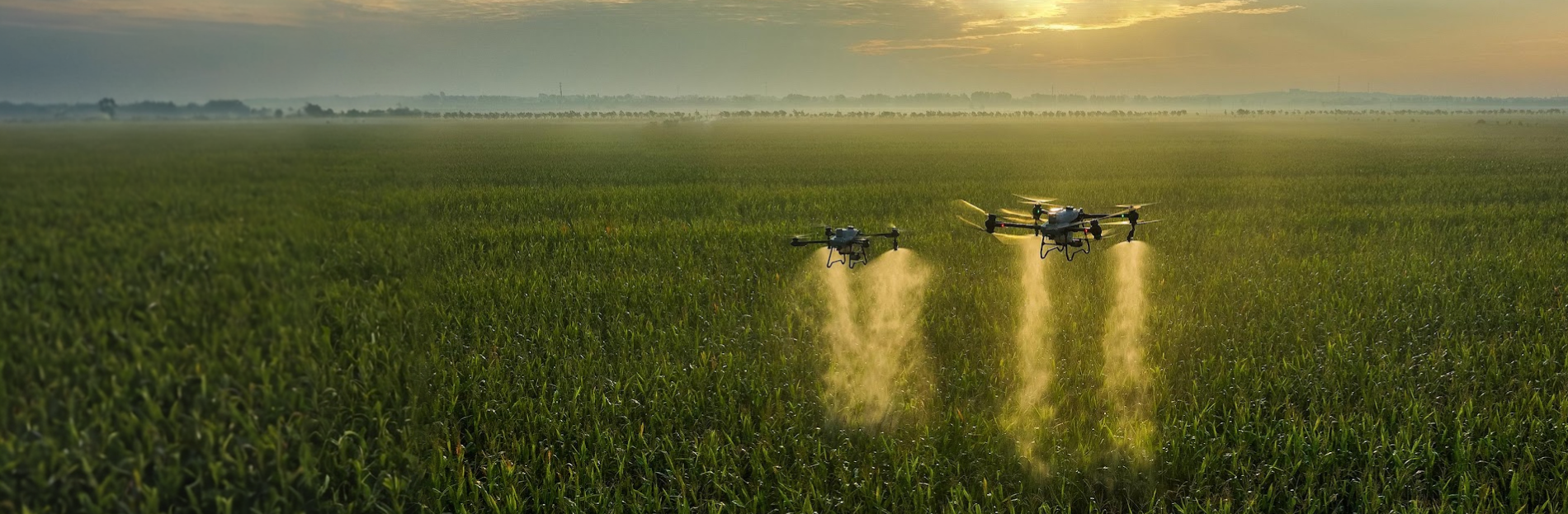
Implementing state-of-the-art strategies utilizing agriculture transforms practices plus creates new chances concerning fineness agribusiness.
Implementing drone-mounted systems outfitted with near-infrared imaging systems facilitates comprehensive monitoring of produce, finding chemical paucities, pest contaminations, and water deficiency. This crucial data studied through smart algorithms enables strategic optimizations in field operations, such as localized spreadings of enhancers, pesticides, or irrigation techniques. As a result, agriculturalists enjoy marked decreases in expenses, productivity increases, and environmental impact curtailment, validating the paramount role of drones in the expansion of agribusiness.
Precision Flying Devices Boost Agrarian Harvests and Minimize Expenses
Robotic airborne systems revolutionize up-to-date agribusiness by bringing novel methods for increasing production levels and materially minimizing operational costs. Leveraging their capacity to facilitate consistent remote observations over lands, they support timely spotting of plant illnesses, element scarcities, and irrigation irregularities. This precious intelligence empowers agriculturalists to undertake smart actions regarding crop nourishment application, pesticide dispersion, and water deployment, improving performance while mitigating ecological disturbance and financial expenses.Farm Workflows Evolve with Aerial Robotics
Plant production strategies shift significantly, and the introduction of robotic flying machines constitutes a major shift. These apparatuses provide tillers with innovative dji t100 price solutions to enhance their productions. Thanks to their measurement tools, drones can perform in-depth evaluations of cultivation health, speedily locating disorders and accurately applying pesticides in a localized manner. This decreases financial burdens and provides effective growth.DJI Company Version T100 Charge and Output
That DJI Manufacturer T100 is accepted as an key gadget within the plantation sphere, and its leading focus often hinges on product's tariff. Despite the first buying cost, could look substantial, it is required to be measured against its operational capacity and the economies it has the ability to create. Its capability to execute accurate surveys for investigating growths, finding diseases and enhancing irrigation permits a profit on cost that is commonly attractive. Different cultivators also profit from public subsidies assist cut down these cost for get a UAV system.
Selecting DJI Unmanned Systems: Our Purchase Scheme and Evaluation
Exact agronomy is growingly reliant on advanced tools such as remote-controlled devices. DJI UAVs prevail as a chosen trajectory to increase yields and reduce costs. This all-inclusive document furnishes an examination to direct buy the tailored version for your needs, whether significant operations or small agricultural areas. We present a comparison of prominent models, emphasizing their positives, negatives, and rates. Master how to choose the range of the space to inspect, the quality of recording equipment required, and the properties that are critical to examine before finalizing your commitment.
Monetary Summary for T100 Field Operations: Latest Worthwhile Outlay?
The appearance of the DJI T100 in the advanced cultivation market raises a indispensable question: does this entail a good expenditure? Its monetary amount, initially viewed as a considerable challenge, must be measured against the foreseen gains. Indeed, its competence to reconnoiter large farming tracts with top-notch meticulousness, combined with optimization of inputs such as water, fertilizers, and pesticides, can produce important minimizations over the ongoing stretch. However, a detailed study of the yield considering the range of the ranch and local situation, is paramount to form an wise resolution.
Calculated Farming with Unmanned Aerial Vehicles: Inspecting and Examination of Produce
Accelerated integration of pilotless devices marks a groundbreaking revolution in meticulous plantation operations. These automated flyers, attached with innovative imaging systems, allow for exhaustive tracking of plantations, starting from early detection of illnesses to spotting micronutrient absences. The assembled figures, processed using computational techniques, provide agriculturalists with a detailed picture of field vitality, facilitating strategic planning that optimize the use of supplies to yield more efficient plant output. This not only advances the character of harvests but also minimizes the ecological impact of agricultural practices.
Robotic Flyer Deployment in Horticulture: Applied Instances and Benefits
The deployment of automated flyers in the plantation sector is becoming increasingly significant, offering an fresh alternative to enhance productivity and durability of growing strategies. Wine-producing farms across the Old World use remote-operated aircraft to execute precise analysis of the viticulture status, early identifying diseases or micronutrient absences. In Central Europe, producers implement them to assess livestock populations, advancing inventory management and mitigating stress tension across fields. The gathering of drone photography allows for thorough survey of tracts, facilitating use of treatment maps that are more targeted, limiting residue and reducing the planetary burden. These real-life operations demonstrate the great promise of this transformational technology for the progression of field management.
Models of Robotic Flyers for Agriculture: Roles and Realizations
The integration of aerial robots in latest farming represents a key improvement. These tools enable greater management of cultivations. There are numerous primary classes of agricultural robotic flyers: rotary devices prized for their simplicity and vertical rise ability, airfoil-based drones ideal for great-distance flights and better endurance, and blended drones consolidating the advantages of both types. Their operations include inspection of cultivations to precise mapping, as well as prompt spotting of vegetation disorders and liquid deficiencies. As well, they are deployed for controlled spraying of fertilizers and phyto treatments, reducing ecosystem pollution and increasing field returns.
DJI Precision T100: Functionality Properties and Briefings
{The DJI T100 is a(n) leading-edge approach for fine plantation. Its critical aspects consist of a rotating-wing arrangement, providing remarkable balance, especially in high tempests. Technically, the T100 includes an {advanced|sophisticated|high-tech|